

Knowing how to spot learning difficulties is important. Learning difficulties are common – up to 14% of the population may have a learning difficulty.
TL;DR
Learning difficulties are common struggles with basic skills like reading, writing, or maths, often improving with support. They’re different from learning disabilities (like Autism or dyslexia), which are more severe. Learn how to spot learning difficulties and which online programs can help strengthen cognitive skills.

Considering that most school and educational systems – perhaps by necessity – take a ‘one size fits all’ approach to education, it is unsurprising that some will find how they are taught doesn’t fit their needs.
So, what are learning difficulties? How can they be identified, and what can be done to help? We’ll explore these questions and more in this article.
What exactly are learning difficulties?
A learning difficulty is a broad term that sometimes can include learning disabilities, but in this article we will distinguish between a learning disability and a learning difficulty.
A learning difficulty is when someone struggles to learn one of the basic academic skills like reading, writing or maths. A learning difficulty may not be due to a neurodevelopmental difference (a difference in how the brain developed) – it might simply be due to interrupted learning, health issues, or lack of opportunity to learn.
It’s likely that with some extra support and instruction learning difficulties will improve.
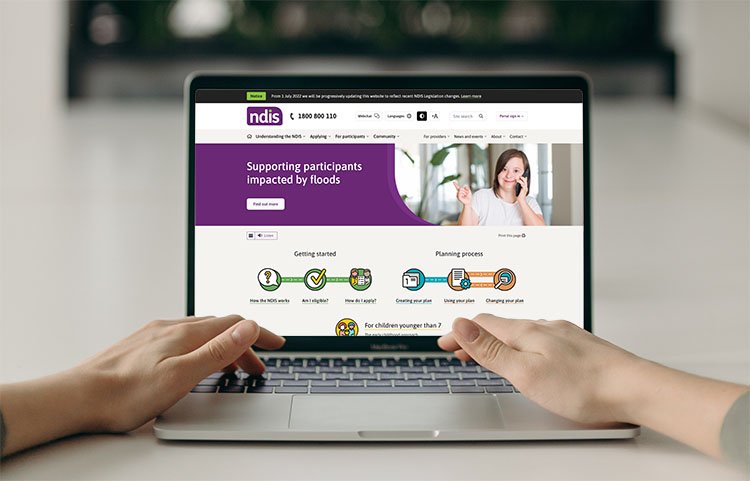
A learning disability is more severe, and is due to intellectual and developmental disabilities, or another physical or emotional problem. Disabilities often attract funding, where as learning difficulties usually do not. Examples of learning disabilities include Autism (which in Australia may receive NDIS support) and dyslexia (which does not receive NDIS support).

Common types of learning difficulties
Learning difficulties present in many different ways. Here’s some of the more common issues.
- Auditory processing difficulties. This is not a hearing issue, but when the brain has problems processing the sounds it receives.
- Executive function difficulties. Executive function is a set of skills – working memory, attention & inhibition, and mental flexibility – that let you ‘execute’ tasks in your life.
- Attention difficulties. If attention issues are severe, they might be diagnosed as ADHD, which is classed as a mental health condition. However, even if attention issues are aren’t severe enough to be diagnosed as ADHD, they can still cause learning problems.
- Reading or writing difficulties. If reading or writing problems are not severe enough to be diagnosed as dyslexia, they are a learning difficulty. Dyslexia, a persistent difficulty with reading or spelling, is a disability, is a learning disability, more severe than a learning difficulty.
- Social skill deficits. Lack of developed social skills can impact learning. Autism is classed as a disability, not a learning difficulty, but social-emotional challenges are varied. Even if symptoms don’t present with the severity of Autism, they can still seriously impact learning.

How to spot learning difficulties
Parents are often the first to notice learning problems in their child. However, it’s important to note that not every child who is a little slower to pick up a skill has a learning difficulty. Each child has their strengths.
The same is true for adults – difference does not automatically mean difficulty. However, if a deficit in some area of learning is causing you or your child major problems or even mental distress, it might be a learning difficulty.
Here’s how some learning difficulties might present in real life.
- Auditory processing. Someone with APD will forget instructions, misunderstand what has been said, be slow to respond, or drift off/tune out.
- Executive function. Someone with executive function problems will get instructions from a teacher or supervisor, but not know how to prioritise tasks to get the job done. They find it really hard to be organised, often procrastinate, can’t manage time well and make impulsive decisions.
- Attention. Not being able to focus negatively impacts learning. Concentration problems, problems paying attention, being fidgety, zoning out – even when trying hard to focus, are signs of attention issues.
- Reading or writing. Poor reading fluency, poor comprehension (can read the words but cannot grasp the meaning), inability to summarise something that has just been read, or a small vocabulary, can be signs of reading problems. Avoiding reading altogether can also show they dislike reading because it’s too hard for them. Poor spelling, messy or unintelligible writing, poor grammar could be signs of writing issues. Some with writing problems will take an overly long time to complete a writing task or try to avoid writing altogether.
- Social skills. This can present as difficulties participating in group work; missing social cues, not understanding implied or unstated work or school norms or expectations; not being able to interpret emotions in others by facial expression, tone of voice or body language.

Getting an assessment
Getting help sooner rather than later can prevent “snowballing”, where unaddressed issues and gaps in learning accumulate over time, making any kind of learning seem overwhelming. Online assessments can be a first step in getting help, but should only be viewed as guides. They can help you decide if you want professional support. Would you like to find out what your learning strengths and weaknesses are? Take Sonic Learning’s online Learning Difficulties Screening Assessment.
- Free
- For ages 4 – 70
- Takes 5 minutes
- Learning areas scores and program recommendation provided
Your report will include recommended programs that Sonic Learning provides. These programs help you improve cognitive skills through online auditory processing, memory, and attention programs. With the right treatment, individuals with learning difficulties or disabilities can overcome their challenges and thrive. Contact Sonic Learning for a free phone consultation to discuss how our online programs can help.
Support for learning difficulties
Sonic Learning offers a number of programs specifically designed to assist with learning difficulties. Each program is backed by extensive research and created by neuroscientists and experts to leverage education technology to improve learning. They are all accessible online with ongoing support and coaching from health professionals.
Using engaging activities that adapt to keep the challenge level just right for you, this approach is not merely about rote learning; it is about strengthening the underlying neural pathways that are often underdeveloped or inefficient in those with learning difficulties.
- Fast ForWord: This program is designed to build critical foundational learning skills. It aims to improve core cognitive abilities such as listening (auditory processing), auditory memory, auditory attention, comprehension, following instructions, and sequencing. By strengthening these foundational skills, it creates a stronger basis for learning. For ages 6 to adult, 30 minutes per day, 5 days a week, for a program length of 3, 6 or 12 months.
- Reading Boost: Specifically designed to enhance reading comprehension, this program targets essential skills underlying reading, including sentence and paragraph comprehension, understanding word meanings, word analysis, punctuation and capitalisation, sequencing within text, and improving memory and attention related to reading. For ages 6 to adult, 30 minutes per day, 5 days a week, and typically takes around 6 weeks to complete one program.
- ClearFluency (Reading Assistant): This program coaches students through fluent and emotive reading. Its primary focus areas include improving reading fluency (speed), expanding vocabulary, and deepening reading comprehension. It offers a big range of engaging reading selections – 457 reading selections in total. For ages 6 to adult, 30 minutes per day, 5 days a week. Program length of 3, 6 or 12 months.
- 3 Step Reading Program: This comprehensive program combines the strengths of Fast ForWord, Reading Boost, and Reading Assistant to achieve lasting reading results. It targets a broad range of reading-related skills including listening (auditory processing), auditory memory, auditory attention, comprehension, following instructions, and sequencing. For ages 6 to adult, 30 minutes per day, 5 days a week. Program length of 3, 6 or 12 months.
- Cogmed: This program specifically targets working memory, a critical cognitive function for learning and daily tasks. It focuses on improving both auditory and visual working memory, as well as attention. For ages 6 to adult, 30 minutes per day, 3-5 days a week. Program length varies from 6 to 14 weeks depending on your chosen training protocol.
Not sure which program fits your needs? Sonic Learning offers a free 5-minute screening assessment and a free phone consultation with an experienced health professional to provide personalized recommendations.
References
Australian Disability Clearinghouse on Education and Training (ADCET) website, “Learning difficulty versus learning disability”

Learn about the Fast ForWord online program
Learn how teachers can help students with Fast ForWord auditory processing training.

Download Executive Function info pack
Everything you need to know, including the basics of executive function and tips for teaching students who struggle with executive function.

Book a free phone consult
This free telephone consultation can help to answer any questions you have about our services. At Sonic Learning we are all experienced teachers and health professionals so parents tend to find it very beneficial to be able to discuss their concerns and receive guidance from our team.